How the Paver Installation Process Works Step-by-Step
People searching for how the paver installation process works step-by-step are usually looking to understand the project and find local contractors who can expertly handle each stage.
Understanding how the paver installation process works step-by-step can help property owners make informed decisions about their outdoor projects. Whether planning a new patio, walkway, or driveway, knowing what to expect can ease concerns and ensure the project aligns with personal goals. This information is especially valuable for property owners in the area who want to work with experienced local contractors to achieve durable, attractive results that enhance the property's usability and curb appeal. Exploring this process can also clarify the roles of different service providers and highlight the practical steps involved in transforming outdoor spaces.
For those considering paver installation, learning about each stage of the process can provide confidence in choosing the right professionals for the job. Local service providers are equipped to handle the necessary preparations, groundwork, and finishing touches, ensuring the project proceeds smoothly. By understanding how the process unfolds, property owners can better communicate their preferences and expectations, making it easier to find the right local pros to bring their vision to life. Keep reading to discover the key steps involved and how experienced contractors can assist throughout the entire project.
- Patio or walkway installation - homeowners planning to enhance outdoor spaces often rely on local contractors to handle the step-by-step paver installation process.
- Driveway paving projects - property owners seeking durable and attractive driveways turn to service providers who follow a systematic approach to paver installation.
- Landscape improvement jobs - those looking to upgrade their yard features often work with local pros experienced in the detailed stages of paver installation.
- Commercial paving services - businesses requiring paved surfaces for parking lots or walkways depend on local contractors familiar with the step-by-step process.
- Repair or replacement of existing pavers - clients needing to restore or update paved areas consult service providers skilled in the complete paver installation workflow.
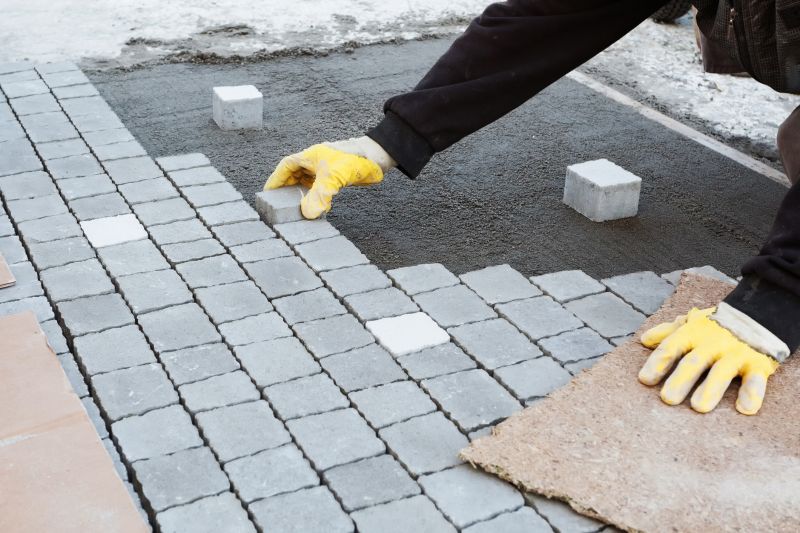
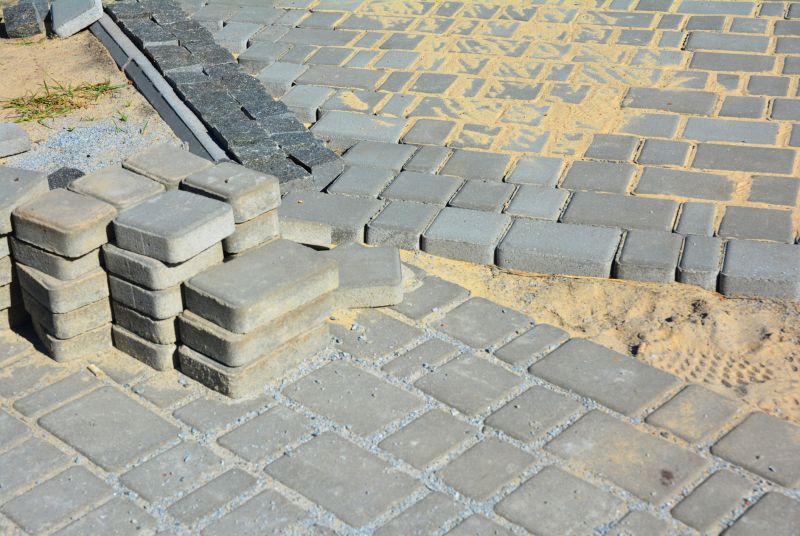
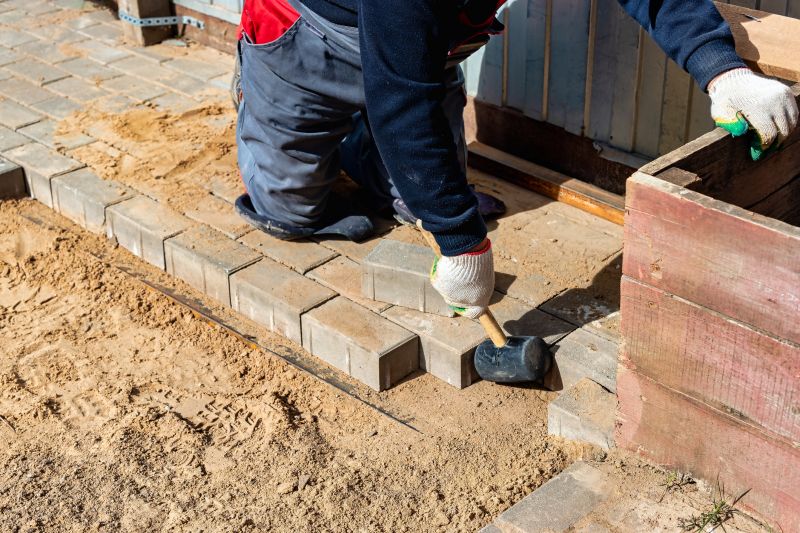
When homeowners search for how the paver installation process works step-by-step, they are often looking for a clear understanding of what to expect when adding or upgrading paved surfaces on their property. This process typically relates to projects such as creating new driveways, patios, walkways, or outdoor living spaces that require durable, attractive paving solutions. Many property owners are trying to determine the stages involved, from initial planning to the final surface finish, so they can better coordinate their project and choose qualified service providers. Understanding this process helps homeowners identify potential challenges, like soil preparation or material selection, and ensures they’re prepared for each phase of the installation.
The paver installation process is closely connected to a variety of problems or plans that homeowners often have in mind. For example, some may want to improve curb appeal, add functional outdoor areas for entertaining, or replace worn-out surfaces that have cracked or settled over time. These projects usually involve careful planning of layout, design, and material selection to match the property’s style and usage needs. Local contractors who specialize in paver installation can help address common issues such as uneven ground, drainage concerns, or the need for a sturdy, long-lasting surface. They work with homeowners to develop a plan that aligns with their goals and ensures the finished project meets both aesthetic and practical expectations.
Properties that come up most frequently in discussions about paver installation include residential homes, especially those with outdoor spaces like patios, pathways, or driveways. These properties often have varying yard sizes, slopes, and soil conditions that influence the installation process. Commercial properties, such as small businesses or community centers, may also require paved areas for parking or walkways. Regardless of the property type, the installation process generally involves site assessment, excavation, base preparation, and precise placement of pavers. Local service providers are experienced in working with different property conditions and can adapt their techniques to ensure a seamless, durable result that enhances the property's overall functionality and appearance.
Understanding how the paver installation process works step-by-step helps homeowners see how each phase connects to their project’s success. From initial site evaluation and ground preparation to the actual laying of pavers and finishing touches, each step plays a vital role in creating a stable, attractive surface. Homeowners should recognize that local pros bring the necessary skills and tools to handle each stage efficiently, ensuring that the project proceeds smoothly and meets expectations. By being familiar with the process, property owners can better communicate their needs and make informed decisions when choosing a service provider, ultimately helping to achieve a durable, visually appealing paved area that complements their property.
Concrete paving projects - local contractors experienced in concrete paving share similar skills in surface preparation and precise layout work as required in paver installation processes.
Patio and walkway construction - professionals handling patios and walkways utilize planning, leveling, and material placement techniques comparable to paver installation steps.
Driveway resurfacing and repair - these projects involve surface preparation and material application skills that align with the initial phases of paver installation.
Retaining wall building - building retaining walls requires planning, excavation, and proper foundation work similar to preparing for paver installation.
Landscape design and hardscaping - landscape contractors working on hardscape features often perform tasks like site assessment and material layout akin to paver installation processes.
Stone masonry projects - stone masons work with materials and techniques that complement the skills needed for installing pavers and ensuring long-lasting results.
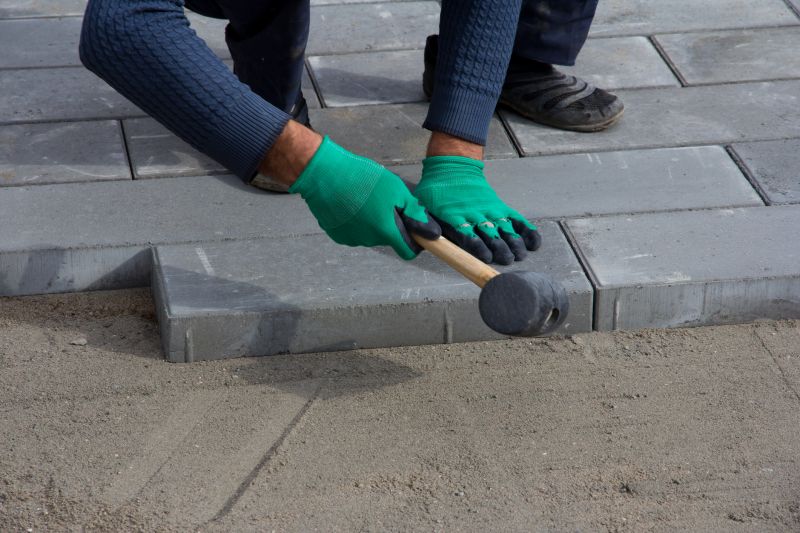
When comparing local contractors for paver installation services, it’s important to consider their experience with similar projects. Homeowners should inquire about the types of paving work they have completed in the past, paying attention to projects that resemble the scope and style of what is desired. A contractor with a history of successful installations can offer insights into potential challenges and demonstrate familiarity with the specific steps involved in the paver installation process. This experience often correlates with a smoother project flow and a better understanding of what to expect at each stage.
Clear, written expectations are essential when evaluating service providers. Pros who can provide detailed descriptions of their process-covering site preparation, material selection, installation techniques, and finishing touches-help homeowners understand what the project entails from start to finish. Having this information in writing ensures transparency and reduces misunderstandings. It also allows homeowners to compare how different contractors approach each phase of the paver installation process, ensuring they select a provider who communicates clearly and aligns with their project goals.
Reputable references and effective communication are key factors in choosing a reliable local contractor. Pros who can furnish references from past clients or showcase portfolios of completed work provide assurance of their credibility. Additionally, good communication-prompt responses to questions, willingness to explain each step, and openness to discussing project details-can significantly impact the overall experience. When homeowners feel confident that their service provider is responsive and transparent, they are better equipped to navigate the paver installation process and achieve a successful outcome.
Property owners often search for how the paver installation process works step-by-step when they are planning practical projects around their homes and businesses. Local pros provide Paver Installation Process services for everyday jobs and straightforward project options.
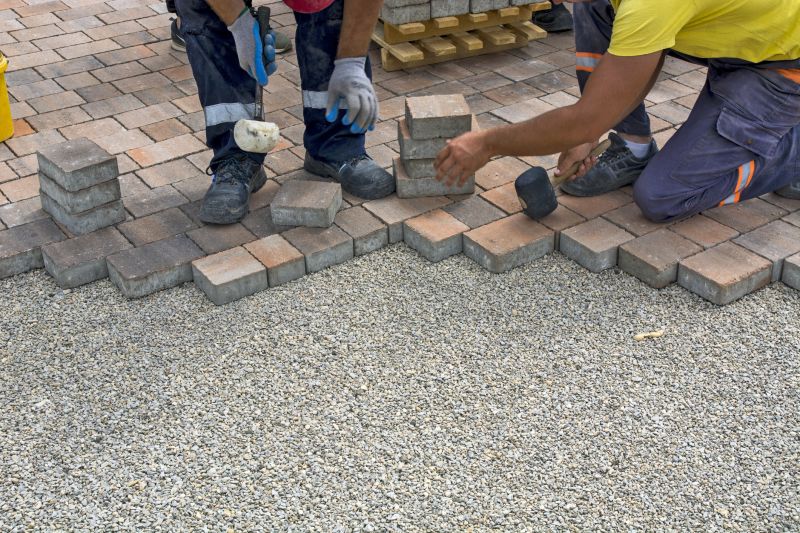
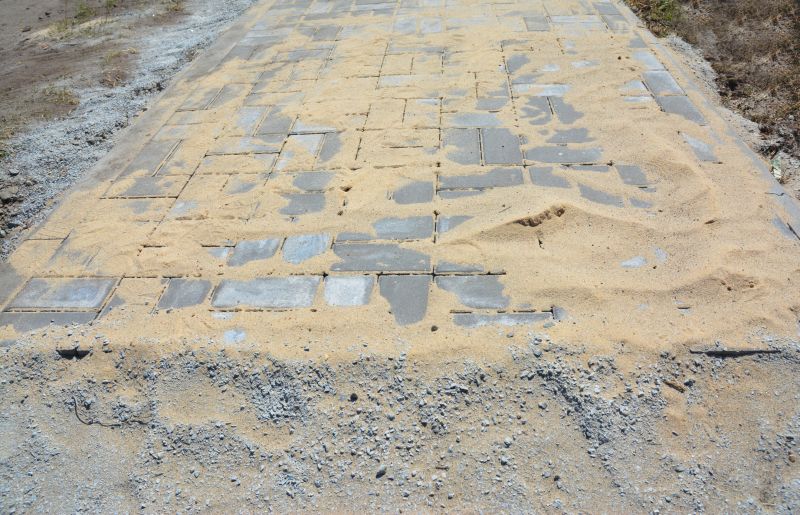
Many property owners in the area seek out information on how the paver installation process works step-by-step to better understand what to expect for their outdoor projects. Typically, the process begins with a consultation where local contractors assess the space, discuss design ideas, and evaluate the site conditions. Once the project details are clear, the pros prepare the area by removing existing surfaces, leveling the ground, and establishing a solid base to ensure durability and proper drainage. This preparation is crucial for creating a stable foundation that will support the pavers and prevent shifting or uneven surfaces over time.
After the groundwork is complete, the installation team carefully lays out the pavers according to the chosen pattern and design, making adjustments to ensure a uniform appearance. They then set the pavers in place, often using a compactor to secure them and eliminate gaps. The final step involves adding joint sand or other materials to lock the pavers in position, followed by any finishing touches like edging or sealing, depending on the project. Local service providers are experienced in guiding property owners through each stage of the process, helping ensure the finished surface is both attractive and long-lasting.
What are the typical steps involved in the paver installation process? The process usually includes site preparation, laying a foundation, arranging the pavers, and finishing touches. Local contractors follow these steps to ensure a durable and attractive result.
How do local service providers prepare the site for paver installation? They clear the area, remove existing materials if necessary, and grade the surface to create a stable base for the pavers.
What materials are used during the paver installation process? Contractors typically use crushed stone or gravel for the base, sand for bedding, and the pavers themselves, along with edge restraints to secure the layout.
How do professionals ensure the pavers are properly aligned and level? They use tools like string lines, levels, and compactors during installation to achieve an even, stable surface.
What steps are taken after the pavers are installed? The area is usually swept to remove excess sand, and a final compaction or sealing may be performed to enhance durability and appearance.
Preparing the Site - property owners can discuss with local contractors about clearing and leveling the area to ensure a stable foundation for paver installation.
Designing the Pattern - property owners might choose a specific paver pattern or layout that complements their outdoor space, with guidance from local pros.
Installing the Base - local contractors can prepare the ground by adding gravel and sand layers to create a solid base for the pavers.
Laying the Pavers - property owners can work with local pros to carefully place and adjust pavers according to the chosen design, ensuring a smooth surface.
If you are thinking about how the paver installation process works step-by-step for a property, this guide is meant to help you understand this topic, the typical project types, and how different options might fit your plans.
When you are ready, you can use the quote form on this page to share a few details about your project. From there, local pros can review the basics and follow up with options that match what you have in mind.